
How To Make Your House Feel Like Somewhere Else
The fastest way to ruin a mystery night is to leave the house feeling exactly like it does every other night.
Same lighting. Same furniture. Same “sorry about the mess” energy.
It does not matter how good the story is if everyone’s brain keeps whispering, “We’re in a living room.”
The good news is that you do not need a venue, a renovation, or a decor budget that spirals out of control. What you need is a shift. A deliberate one. The kind that changes how people move, where they stand, and how long they pause before speaking.
This is about creating that shift.
Not by decorating. By directing.
The Goal Is Believability, Not Perfection
You are not trying to recreate a movie set. You are trying to convince the brain to stop questioning the space.
Once that happens, everything else falls into place. Characters feel easier. Conversations last longer. Suspicion lingers instead of evaporating.
Believability comes from alignment. When the room agrees with itself, people follow along without effort.
Start By Deciding What This Space Is Today
Before you move a chair or dim a light, answer one question.
Where are we supposed to be?
A wealthy estate where secrets are inherited.
A remote expedition camp where trust feels fragile.
A luxury train car where everyone is stuck together for reasons they did not choose.
Once you answer that, every decision becomes easier. You are no longer asking, “Is this cute?” You are asking, “Does this belong here?”
If it does not, it leaves the room.
Lighting Changes Behavior More Than Decor Ever Will
Lighting is the fastest way to make a familiar space feel unfamiliar.
Overhead lights flatten everything. They erase shadows. They encourage casual movement and casual conversation.
Turn them off.
Use lamps. Use lanterns. Use battery candles placed intentionally, not everywhere. (Candle note: Put them in bunches, of different heights around the room. Like three of varying heights over here, four over there.. it looks intentional and sophisiticated, rather than randomly putting one here and one there.)
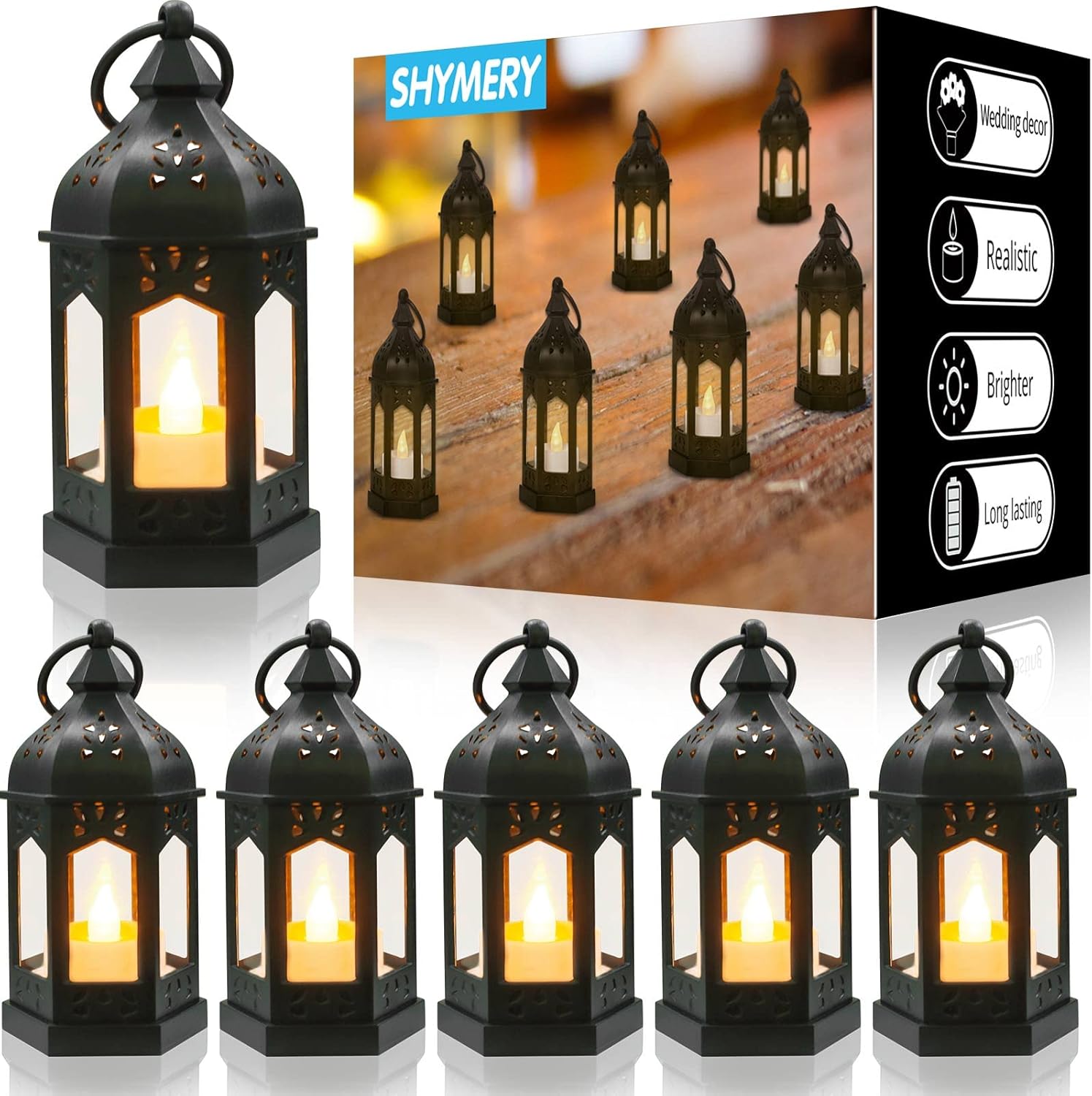
These ones are awesome and we want an excuse to buy them.
Lower light slows people down. It makes them lean in. It creates pockets of quiet where side conversations feel natural instead of awkward.
That single change does more for immersion than most props combined.
Furniture Placement Is Storytelling
Most homes are arranged for comfort. Mystery nights need intention instead.
Push furniture closer together to create narrow paths. Angle chairs so people face each other, not the television. Remove pieces that invite lounging instead of engagement.
A room that feels slightly constrained encourages movement. People circulate. They overhear things. They linger near doorways.
That tension is useful.
Use Fewer Objects, Chosen Carefully
A common mistake is over-decorating. Too many signs. Too many themed items. Too much effort on display.
One or two strong signals per room is enough.
A locked box on a table.
A stack of vintage suitcases in a corner. (Hello Goodwill on the nice side of town!)
A handwritten map pinned where everyone can see it.
Let people notice them naturally. Do not explain. Curiosity does more work than exposition.
Sound Is the Invisible Layer Most Hosts Skip
Silence feels like a house. Ambient sound feels like a place.
Low volume background audio changes how long people stay in character without anyone realizing why.
For an expedition, think distant wildlife, wind, or rain.
For a train, subtle track sounds or low jazz.
For a mansion, soft instrumentals that suggest formality without demanding attention.
Keep it quiet. It should disappear unless someone listens for it.
A Quick Way To Test If This Is Your Group’s Thing
If you are unsure whether your group will lean into this kind of atmosphere, do not start with a full-length event.
Test the waters.
A short mystery with a small group lets you experiment with lighting, layout, and tone without committing the entire house or the entire guest list.
You can see how people react when the space changes. You can learn what feels natural and what feels forced.
Click HereHow To Create Three Specific Feels At Home
Making Your House Feel Like a Mansion
Mansions are not loud. They are controlled.
Close off unnecessary rooms. Fewer spaces make everything feel intentional.
Use warm lamps instead of ceiling lights. Let shadows exist.
Choose textures over decorations. Fabric runners, cloth napkins, hardcover books. These quietly signal wealth and permanence.
Limit each room to one focal object that feels important. A clock. A portrait. A sealed letter. Let it sit there unanswered.
This approach pairs naturally with mysteries built around wealth, inheritance, and quiet power struggles.
Making Your House Feel Like an Expedition Camp
Expedition spaces feel temporary. Functional. Slightly uneasy.
Lower the light and use lantern-style sources where possible.
Define zones instead of rooms. A map table. A supply station. A lookout chair.
Bring in natural textures. Canvas, wood, rope, wicker. Avoid plastic whenever possible.
Let some areas feel unfinished. A chair pulled out. Papers weighted down. Nothing should look perfectly staged.
This works especially well for adventure-driven mysteries like The Emerald Expedition, where uncertainty is part of the story.
Making Your House Feel Like a Train Car
Train cars are intimate by design.
Rearrange furniture into narrow walkways. Line chairs along walls. Create a sense of shared movement.
Lean into symmetry. Matching place settings. Balanced seating. Repetition calms the space while heightening suspicion.
Use vertical elements. Stacked luggage. Hanging coats. Shelves cleared except for a few deliberate items.
Stick to a tight color palette. Deep reds, golds, blacks, or creams work well.
This style is especially effective for closed-setting mysteries where everyone is stuck together, like The Grand Gilded Express.
Food Should Support the Setting, Not Steal Attention
You are not hosting a dinner party. You are supporting a story.
Serve foods that make sense for the world you chose.
Small, refined portions for a mansion.
Communal, practical snacks for an expedition.
Items that could plausibly be served from a cart for a train.
Presentation matters more than complexity. Simple food served intentionally beats elaborate dishes that break the illusion.
The Moment That Locks It All In
Every successful mystery night has a transition.
Lights dimming.
A sound cue.
A door closing.
A character stepping forward.
That moment tells the group that something has changed.
You do not need a speech. You need a signal.
Once that happens, the space stops being your house and starts being somewhere else.
Your House Is Not the Problem
Most hosts assume they lack the right space.
They do not.
They lack direction.
Once you start thinking like a director instead of a decorator, your home becomes flexible. Malleable. Capable of holding tension.
If you want a low-pressure way to practice that mindset before hosting a full-length mystery, start small.
Change the lighting. Move the furniture. Try the short mystery first.
Click Here
0 Comments