
You want something memorable. Not loud plastic junk. Not another craft that ends up half-finished on the table while kids wander off asking for snacks.
A desert-themed mystery for kids can hit that sweet spot where imagination, movement, and story all lock together. The kind of activity where kids forget they are inside your house and start acting like explorers, couriers, palace guards, or clever problem-solvers navigating sand dunes and secrets.
Done right, it feels magical.
Done wrong, it feels like a worksheet wearing a costume.
Let’s make sure you land in the first category.
Why Desert Mysteries Work So Well for Kids
Desert settings already feel mysterious. Vast landscapes. Hidden cities. Caravans. Ancient riddles. Quiet tension instead of jump scares.
For kids, that means:
- High imagination with low fear
- Clear visual themes that are easy to decorate
- Stories that feel adventurous without being intense
- Natural roles that avoid romance or adult drama
And honestly, parents love it too. Desert themes feel classic and storybook-level epic without leaning into anything creepy or inappropriate.
Start With the Right Kind of Mystery
This matters more than decorations.
A kids’ desert mystery should never start with a murder. Full stop. The magic comes from curiosity, not shock.
Strong kid-friendly mystery hooks include:
- A missing royal gift
- A stolen map or scroll
- A locked chamber that should not be open
- A celebration interrupted by something vanishing
The best ones give every character a reason to be suspicious without making anyone a villain. Kids want to accuse. They also want redemption.
That balance is where the fun lives.
If you are new to running mysteries with kids, starting small helps. Think short playtime. Simple objectives. Clear clues. You do not need twenty characters and a three-hour timeline.
Before You Go Big, Try a Mini Mystery
If you are even slightly unsure whether your group will get into it, test the waters first.
A short, playful mystery lets kids understand how clues work, how talking in character feels, and how solving together actually happens. It also spares you from wrangling the entire guest list for something longer.
Curious if your group would actually enjoy this style of play? Start with a short mystery that takes about fifteen minutes, works with just a few players, and focuses on laughs and clever thinking instead of anything dark. It is a great way to see the magic click before planning something bigger.
Click Here
Build the Magic With Atmosphere, Not Overkill
You do not need a themed rental company. You need a few intentional choices.
Think in layers.
Lighting
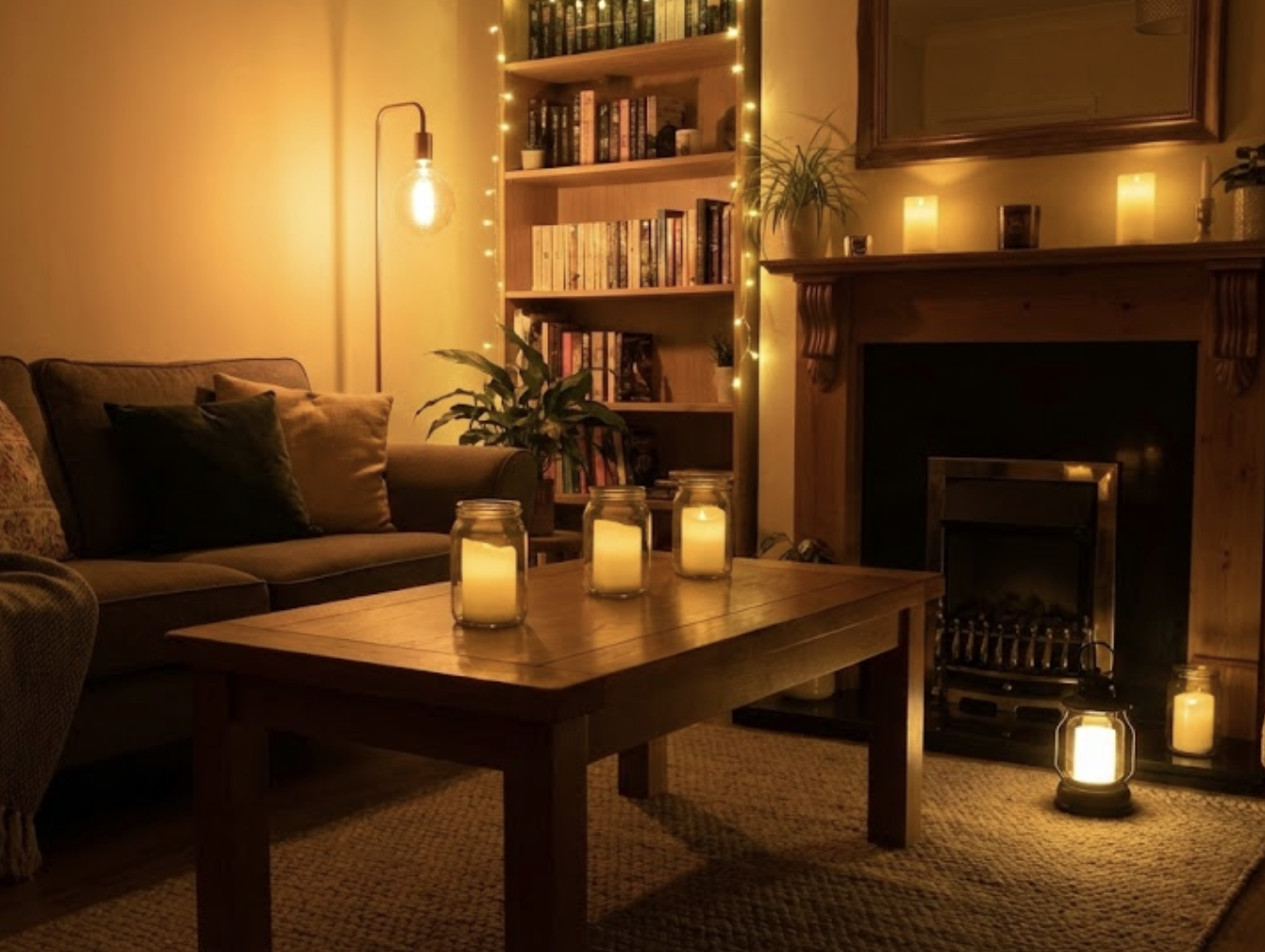
Soft lighting changes everything. Turn off overhead lights. Use lamps, string lights, or battery lanterns. Even a few flameless candles in jars can shift the entire mood.
Warm light feels desert-like without trying too hard.
Textures
Lay down neutral fabric runners. Tan, gold, cream. Even old scarves work. Toss a few pillows on the floor for “camp seating.” Kids love sitting somewhere that feels different.

Sound
Low background music helps kids stay in character. Search for instrumental desert or Middle Eastern style ambient tracks. Keep it quiet enough that talking stays easy.
No lyrics. No pop beats. This is about immersion, not distraction.
Costumes Should Be Optional and Easy
The goal is participation, not perfection.
Good desert mystery costume guidance:
- Flowy shirts or tunics
- Simple scarves or head wraps
- Vests, belts, or sashes
- Neutral colors with one bold accent
Avoid anything that requires buying specialty outfits. Kids will improvise better than you expect.
Also, skip face paint unless you enjoy mid-mystery face-paint-repair breaks.
Characters Kids Actually Enjoy Playing
The magic of a desert mystery comes alive through roles. Kids love characters with purpose.
Strong kid-friendly desert roles include:
- A curious princess or royal child
- A palace guard who takes rules very seriously
- A merchant who knows everyone’s business
- A messenger who runs information across the city
- A scholar who loves riddles and scrolls
- A traveler with a suspiciously heavy bag
Each character should have:
- A clear job
- A simple secret
- A reason to talk to others
If kids can explain who they are in one sentence, you nailed it.
Clues Should Feel Physical and Discoverable
Kids do not want to sit and listen to exposition.
They want to find things.
Desert-themed clues that work well:
- A scrap of fabric or ribbon
- A stamped token or coin
- A torn piece of a map
- Beads, gems, or feathers
- A note written in simple code
Hide them in plain sight. Under a pillow. Inside a box. Tucked near a doorway.
Watching kids light up when they find something is half the payoff.
Structure Beats Chaos Every Time
A good kids mystery moves in clear phases:
- Introduction and character setup
- Free mingling and clue discovery
- A pause where new information is revealed
- A final discussion and solution
You do not need strict timing. You do need boundaries.
Tell kids when it is time to stop searching and start thinking. They appreciate the structure even if they act like they do not.
Food Can Reinforce the Theme Without Becoming a Project
Skip anything messy or slow.
Desert-friendly snack ideas:
- Pita chips with hummus
- Dates or dried apricots
- Goldfish crackers or trail mix
- Flatbread slices
- Juice or lemonade in clear cups
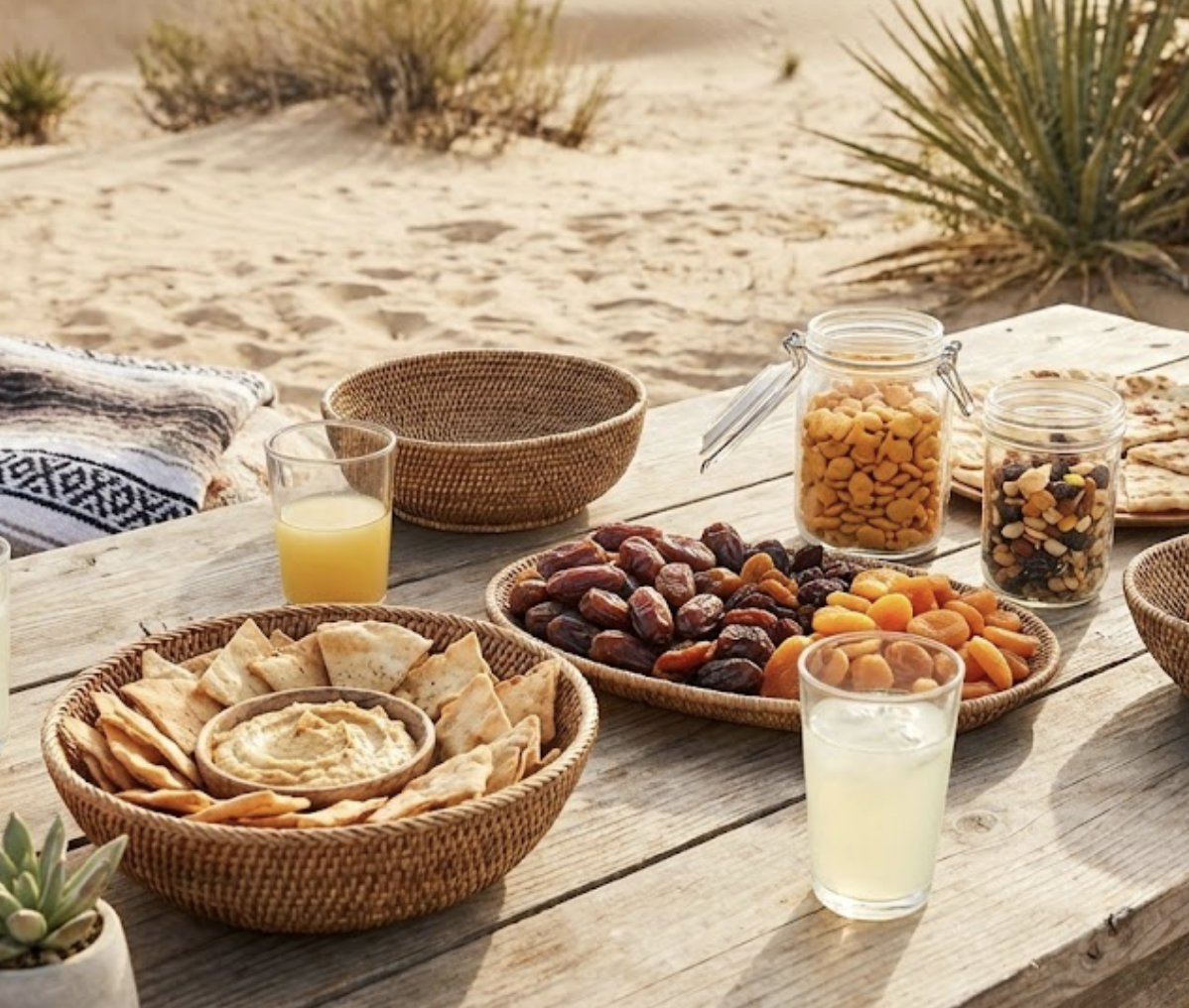
Food should support the experience, not interrupt it.
Why Printable Mysteries Save Your Sanity
Here is the honest truth. Writing a mystery from scratch that actually works is harder than it looks. Plot holes show up fast. Kids ask questions you did not anticipate. Things derail.
That is why printable mysteries exist.
A well-designed printable mystery gives you:
- Balanced clues
- Clear instructions
- Characters that fit together logically
- A satisfying resolution
You still get to add your own decorations and flair. You just are not reinventing the wheel.
If you want to see how these experiences are designed to flow, exploring the style and structure used in our games (Megan’s Mysteries) can be helpful. The emphasis is always on clarity, family-friendly storytelling, and making the host’s job easier.
End With Celebration, Not Just Answers
Once the mystery is solved, pause.
Let kids explain what they thought happened. Celebrate clever ideas. Hand out simple awards like:
- Best Detective
- Most Observant
- Best In Character
Take photos. Let them stay in the world a few minutes longer.
That lingering feeling is what makes them ask when they can do another one.
Final Thought
A desert-themed mystery for kids does not need spectacle. It needs intention. A story that invites curiosity. Props that beg to be touched. Characters that feel important.
When the magic clicks, kids stop performing and start believing.
And that is when you know you did it right.
If you want a low-pressure way to see how a mystery feels with your group, start small. A short, playful mystery can show you exactly how kids engage before you plan something bigger.
Click Here


0 Comments